
History

Book
Now
The Oxwagon:
GRIT, INTEGRITY & SURVIVAL
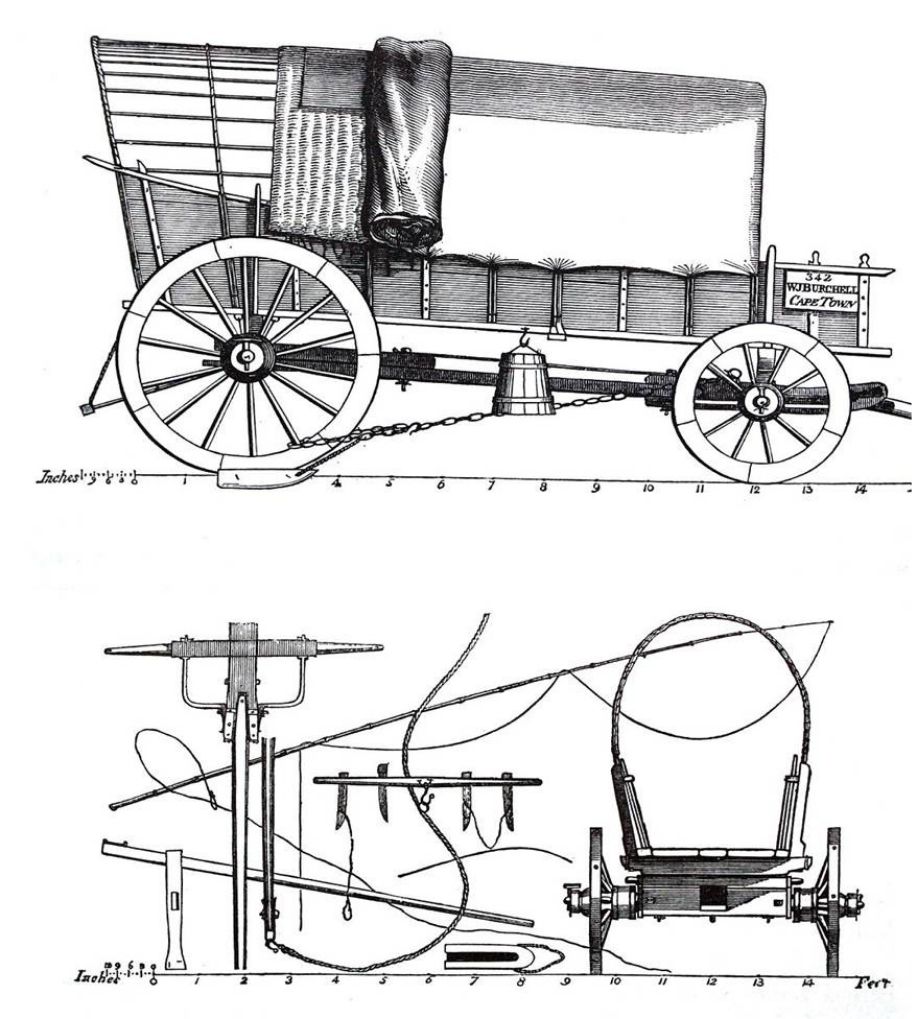
The Cape Oxwagon wasn’t just a mode of transport, it was a lifeline for survival and trade in early South Africa. Crafted to endure rough terrain, it became essential for transporting supplies, building materials, and people across the unforgiving Cape landscape.
Imported wagons from Europe were too fragile for the Cape’s steep mountains, thick sand, and stony passes. So local wagonmakers redesigned them; stronger, more flexible, and pulled by teams of 6 to 12 oxen instead of horses. The defining feature? The ‘disselboom’ (single shaft), ideal for controlling oxen over tough terrain. Brake systems like ‘remskoene’ helped slow wagons down steep passes, even if it meant carving grooves into the rock.
Historic Trails
<
THE KEY OUTSPANS
The Cape’s interior was reached via ancient animal migration paths turned wagon trails. Key outspans (rest stops) and passes included:
- Eerste River (Compagniesdrift): First stop after leaving Cape Town, near today’s Meerlust Estate.
- Gantouw Tollhouse: Offered lodging and oxen for steep mountain climbs.
- Gantouw Pass: A treacherous route used by 4,500 wagons yearly; 20% were damaged.
- Grietjiesgat: A peaceful riverside stop later renamed Grabouw.
- Knoflookskraal, Cluver, Houw Hoek Pass & Inn, and Botrivier: Vital waypoints on the journey east.
Signal Cannons
<
FIRING THE ALARM
In 1734, the VOC installed 54 signal cannons across the Cape. Fired in sequence, they warned settlers of attacks. Used until 1806, this system was key to colonial defence.
The Oxwagon Trail
<
THROUGH SAND, STONE & STRUGGLE
The Cape Oxwagon Trail covers the historic routes early settlers and explorers followed into the Western Cape’s interior. Among these were the Gantouw, Klein-, and Groot-Houw Hoek passes.
Starting the Journey
From Cape Town, it took a full day to reach the Compagniesdrift Outspan near the Eerste River (close to Meerlust Wine Estate). Crossing the Cape Flats was slow and gruelling. Deep sand made it nearly impossible to follow previous tracks. Each wagon had to forge its own path.
Gantouw Pass & Tollhouse
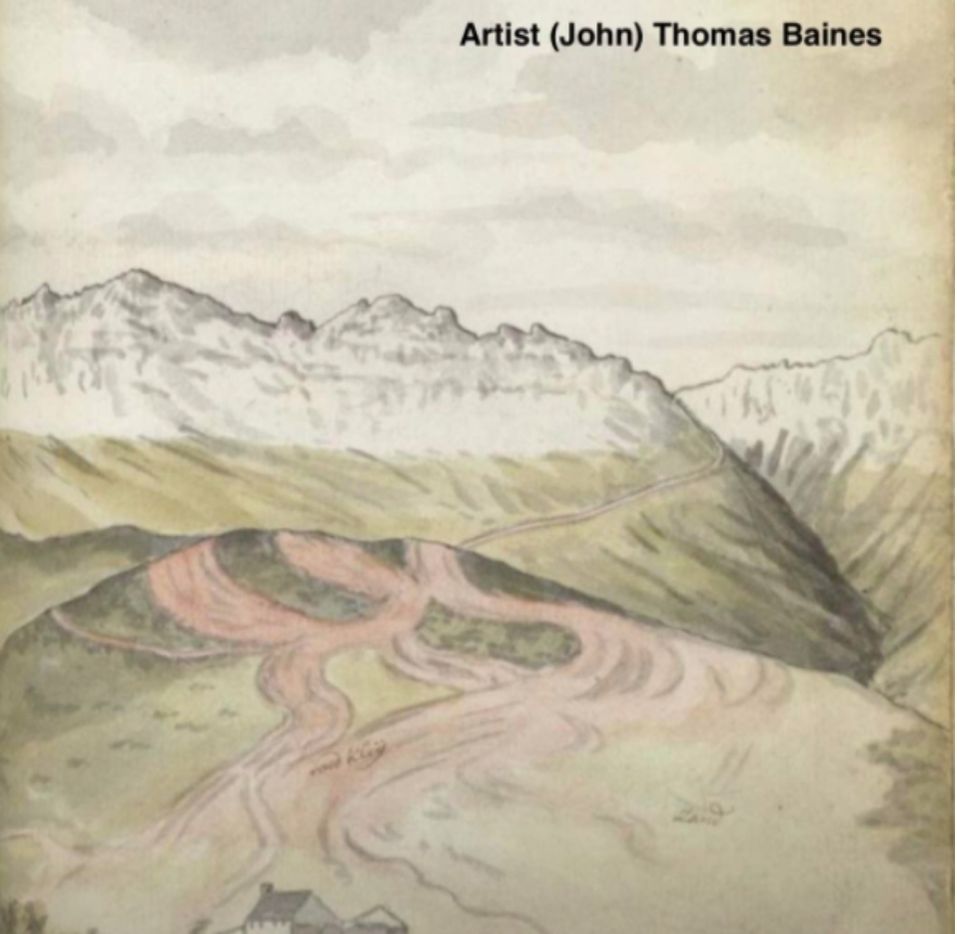
By the late 1700s, farms and inns like Goedeverwachting offered rest and extra oxen to tackle Gantouw Pass, a treacherous climb through the Hottentots Holland Mountains. A permanent road-repairer (kloofmaker) was appointed in 1754, and the Tollhouse ruin still stands as a relic of the effort it took to keep this route usable.
The Struggle Over Gantouw
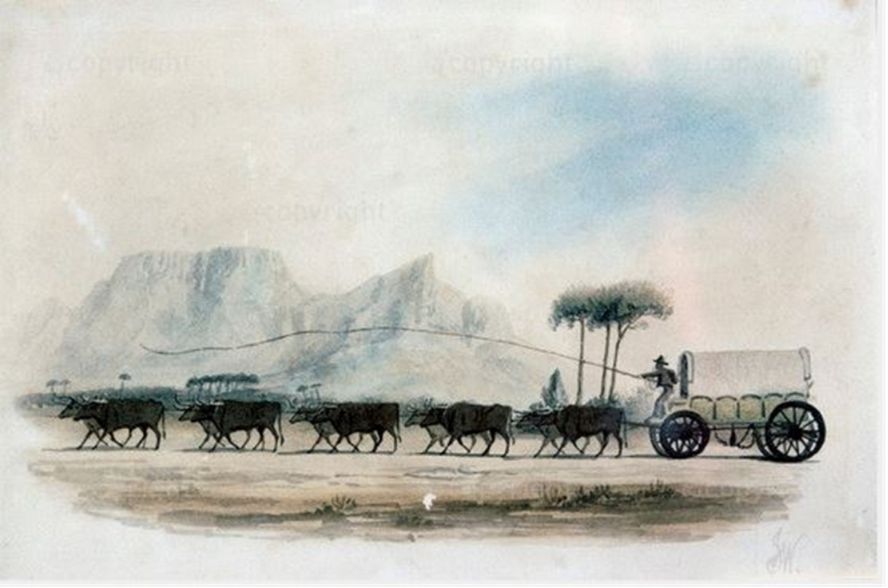
By 1821, over 4,500 wagons used the Gantouw Pass every year, each facing intense risk. Around 20% of wagons were damaged or destroyed, often requiring complete unloading, reassembly, or the use of makeshift brakes like cut Waboom trees. Oxen were sometimes lost on the steep slopes.
Despite the hardships, these oxwagon routes opened up the Cape’s interior and laid the foundation for trade, travel, and expansion deep into the colony. Gantouw remained one of the primary routes into the hinterland for nearly 150 years until Sir Lowry’s Pass was completed in 1830.

This drawing by William Burchell depicts wagon teams that have crested the top of the Hottentots Holland Kloof.
Contact us
Join the Journey
Bookings open on 13 January 2026, with one COFHE Hike scheduled per month starting from March 2026.
+27 833 756 343
Hike History
Book
Now